Compare The Lives Of The Nobles And The Shi-no-ko-sho In Feudal Japan
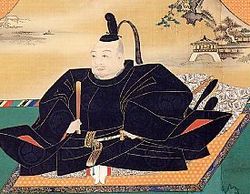 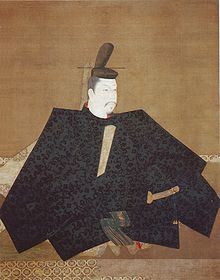 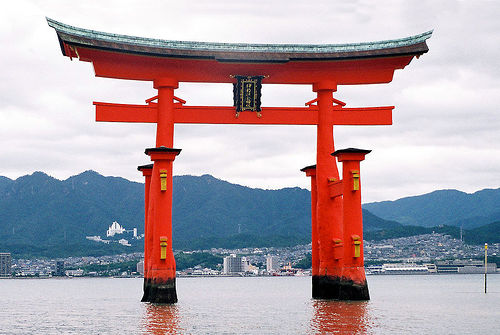 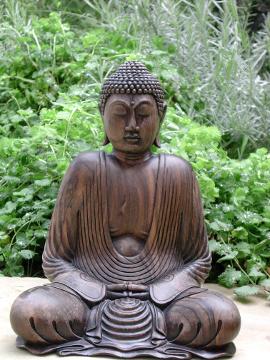 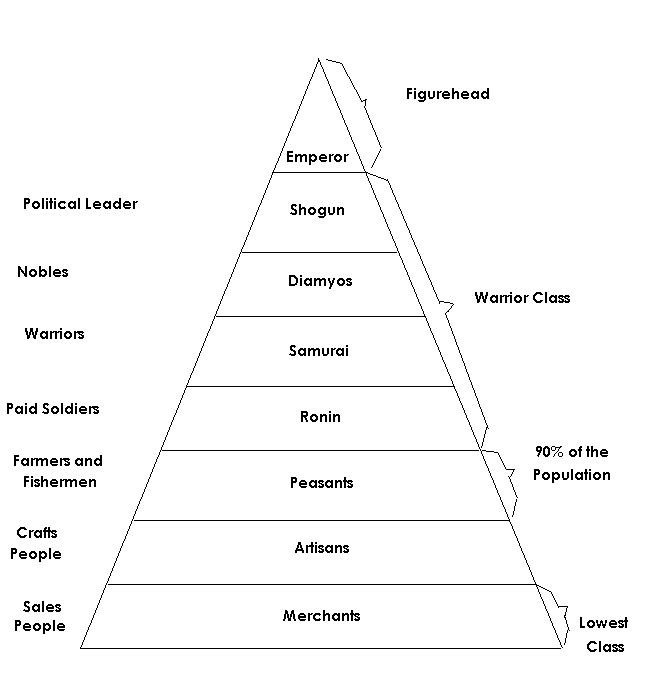 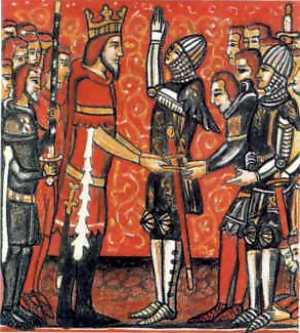 | The Key Beliefs and Values of Feudal JapanSome of the most common key beliefs and values of Feudal Japan are Shintoism, Buddhism and Confucianism. Shintoism is one of Japan's oldest religions, which was recognised in Japan around 500 BCE. Shinto 'Shin Tao', which means the 'Way Of The Gods'. The main beliefs and values of Shintoism are love of nature and gods and goddesses. The love of nature was a key value as seasons in nature would mark large community festivals. Believing in gods and goddesses was a very big belief of Shintoism. The most well-known Shinto goddess was Amaterasu, the Sun Goddess. She was born from the left eye socket of a male creator god, Izanagi. Izanagi and his female acquaintance Izanami were the original two gods. They combined together to create the islands of Japan. Amaterasu's great great grandson was the first Emperor of Japan. Buddhism was first introduced in Japan in the sixth century. It was based on the teachings of Buddha, which means 'Enlightened One'. Buddhism and Shintoism complement each other, as one religion is about life and the other about death. People often had a Shinto wedding and a Buddhism funeral. Confucianism is not a religion, but a way of life. It was created from the sayings and ideas of the ancient Chinese sage, Confucius. Confucius was taken to Japan by Buddhist monks and was taken by the Samurai, which were the best Japanese warriors. As time passed, higher-classed Samurai and their codes of life became the goal for all people in Feudal Japan. Similarities Between the Lives of the Nobles and the Shi-no-ko-shoThere were many similarities between the lives of the Nobles and the Shi-no-ko-sho in Feudal Japan. The merchants were only allowed to talk to the higher class when they were selling or trading their business. If the merchants had more money, they became more powerful as they could talk to the higher class more than others. Artists made many items that were useful to society and the higher class such as pottery, cooking utensils and cloths that were used to make clothes. They also made the katana, which is a type of sword that samurai warriors used. Farmers were considered better than merchants and artists as they were regarded to be much more useful than everybody else. The samurai, which were a warrior class in Feudal Japan, had to pledge to show kindness to the poor and to respect the gods. Bushido is the code of honour and morals practiced by the samurai. The principles of Bushido emerged during the period of peace as a general code of conduct for Japanese people. The samurai had to protect the daimyo, who were Japanese lords who owned large amounts of land and the Emperor. The daimyo gave land to the samurai and in return the samurai gave military services. The shogun, who was a genetic commander in chief in Feudal Japan, allowed the daimyo to have a high degree of freedom within their own land. The shogun liked to have the Emperor's approval when undertaking something very important. In Feudal Japan, there were many things that were the same among the lives of the Nobles and the Shi-no-ko-sho.
Differences Between the Lives of the Nobles and the Shi-no-ko-sho
There were also many differences between the lives of the Nobles and the Shi-no-ko-sho in Feudal Japan. The merchants were looked down upon because they were thought to be cheating in business and succeeding from the money that was really the farmers. They were not supposed to talk to the upper classes when they were selling or trading their business. Merchants and artists lived in a different part of the city than the other classes did. Even though farmers were honoured, they still had to pay a lot taxes to the shogun. The daimyo, who were lords with big land holdings, became more powerful when lots of small landowners promised their loyalty to them. Tokugawa Shogun was one of the last of the three shogunates of Japan. They prevented daimyo rebelling by demanding them to maintain a large residence in Edo and to live in them during every second year. The daimyo also had to add the upkeep of shrines, temples and roads and give military services and supplies. Buddhist priests were put under strict control and Buddhist temples became registration centres for people living in the area. The values of Neo-Confucianism, which was a later development of Confucian, stressed the importance of morals, education and hierarchical order in the government and society. This reinforced a strict class system, in which placing the warrior of samurai class above the peasants, artists and merchants on the social pyramid. In Feudal Japan, there were also many differences among the lives of the Nobles and the Shi-no-ko-sho.
ConclusionThere were many similarities and differences between the Nobles and the Shi-no-ko-sho. Each social structure had its own part in completing Feudal Japan. Some of the most common key beliefs and values were Shintoism, Buddhism and Confucianism. Shintoism is based on the love of nature and gods and goddesses and was recognised around 500 BCE, whilst Buddhism is based on the teachings of Buddha and was found in the sixth century. Confucianism was created by the sayings and ideas of the ancient Chinese sage, Confucius and was taken to Japan by Buddhist monks. I think Feudal Japan had a great social structure.
|
